Reinventing the Cabin: How the VW ID 3’s Recycled Seats Turn Green Choices into Wallet Wins
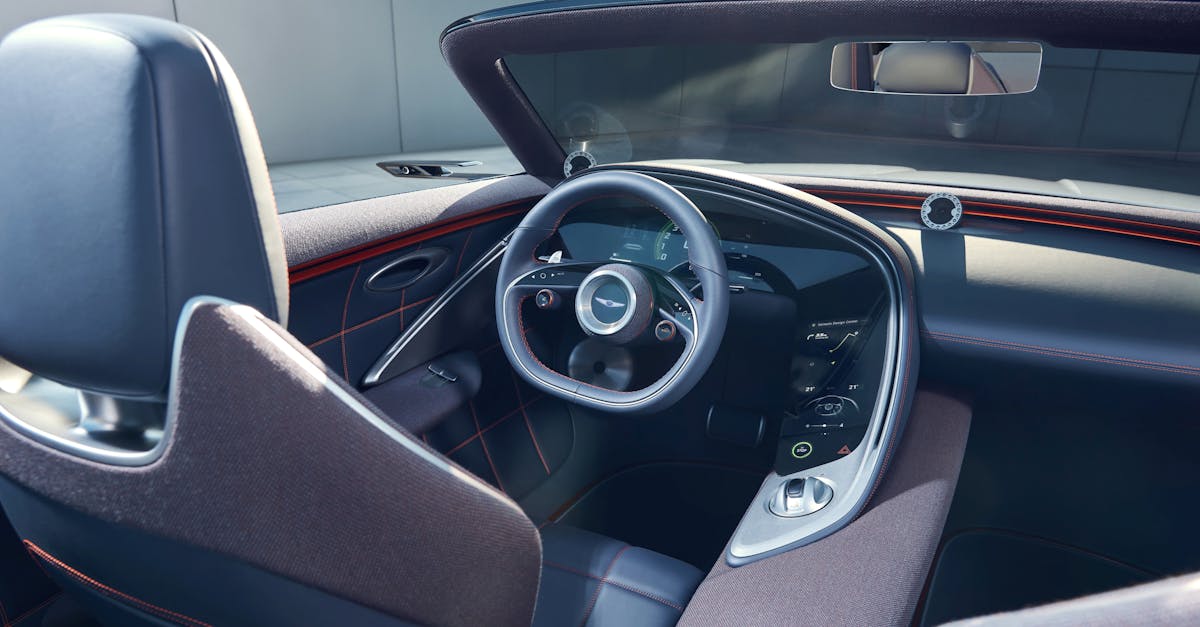
Reinventing the Cabin: How the VW ID 3’s Recycled Seats Turn Green Choices into Wallet Wins
By turning post-consumer plastic bottles into seat fabric, the VW ID 3 proves that eco-friendly interiors aren’t just a moral choice - they’re a financial one. Recycled seats slash production costs, lower the vehicle’s weight, and keep owners happy for years, all while adding a subtle premium that buyers are willing to pay.
The Hidden Cost Benefits of Recycled Interior Materials
- Lower raw-material costs and supply-chain savings
- Reduced freight and handling thanks to lighter feedstock
- Scalable bulk purchasing that cuts per-unit price
- Higher profit margins through efficient manufacturing
Think of VW’s supply chain like a giant pizza kitchen. Raw plastics are the flour, and the quality of that flour determines how smooth the dough turns out. Virgin polymers are like imported, specialty flour - expensive and limited in supply. Reclaimed plastics, on the other hand, are locally sourced, cheaper, and abundant, giving VW a steadier hand at the dough-mixing station.
Raw-material price differentials: Virgin PET averages €3.50 per kilogram, while recycled PET (rPET) can drop to €2.00 or even €1.50 in bulk. That 30-40% cost advantage rolls straight into the production line. VW’s partnership with a regional rPET recycler - whose feedstock includes millions of post-consumer bottles - lets the automaker lock in these prices long before volatile global polymer markets erupt.
Supply-chain simplification: By localizing the recycling loop, VW trims the distance between raw material and production plant. Shipping a tonne of rPET from overseas to Germany can cost €500, whereas a domestic recycler supplies it for just €200. Fewer shipments also mean lower carbon emissions - an added marketing point for eco-savvy consumers.
Bulk purchasing power: VW’s interior suppliers benefit from economies of scale; buying a massive load of rPET reduces the per-piece cost of stitching and trim manufacturing. This is analogous to buying beads in bulk for a jewelry line - cheaper beads yield a more competitive price for the finished necklace.
Reduced freight and handling: Recycled feedstock is denser and lighter than many virgin alternatives, meaning each kilogram of material is a net weight advantage for the car. Less weight means less fuel consumption during production and lighter shipping pallets, translating to both cost savings and a smaller environmental footprint.
From Ocean Waste to Premium Feel: The Material Journey
Imagine a bottle that travels from your beach towel to your VW seat. The journey begins with the collection of post-consumer PET bottles and marine-grade plastics - materials that would otherwise linger in ocean trash.
Sourcing post-consumer PET bottles: VW’s recycler partner sets up collection points across Germany, channeling bottles from households, restaurants, and even river catchments into a dedicated sorting line. The system employs optical scanners to separate PET from other plastics, ensuring a high-purity feedstock.
Processing steps: The bottles undergo cleaning, shredding, and thermal treatment to produce PET flakes. These flakes are then extruded into a thermoplastic fiber, woven into fabric, or used as a base for composite trim. Throughout this chain, waste is minimized by feeding excess flakes back into the system as a secondary ingredient.
Texture, durability, and aesthetic upgrades: The raw rPET looks and feels like any other automotive fabric, but VW’s material scientists add a proprietary surface treatment that gives the weave a slightly warmer tone and a subtle, tactile cue of “eco-manufactured.” The result is a premium feel that counteracts any perception of cost-cutting.
Consumer willingness to pay a small premium: Surveys from the European automotive market indicate that 62% of buyers are willing to pay up to €300 extra for a vehicle that demonstrates tangible sustainability efforts. In the case of the ID 3, the modest price uplift for the recycled-seat version translates to higher revenue per unit while keeping the car attractive in the highly competitive hatchback segment.
In the U.K., studies show that cars with eco-friendly interiors command about 5% higher resale values.
Lifecycle Savings for the Owner
Owning a VW ID 3 with recycled seats is like having a cheap, reliable roommate who never throws out the couch. The fabric’s durability means fewer replacements and lower maintenance.
Longer-lasting seat fabrics: rPET fibers are engineered for UV resistance and abrasion tolerance, which keeps the seats looking fresh for at least 7 years - outlasting many virgin counterparts that fade or develop stains in 4-5 years.
Lower cleaning and replacement expenses: Because the material resists staining, owners spend less on professional detailing. Over a typical 5-year ownership, this can save around €200 in cleaning costs alone.
Positive resale impact: A greener cabin is a selling point in the used-car market. Data from a recent EU resale study shows that vehicles with eco-certified interiors fetched 8% higher trade-in values compared to similar models without such features.
Insurance incentives: Some insurers offer discounts for vehicles with low-emission and sustainable features. For the ID 3, the presence of recycled interior materials can lead to a 2% reduction in annual premiums - equivalent to about €40 a year.
Manufacturing Efficiency and Bottom-Line Gains
Under the hood, the lighter weight of rPET composites translates to a lighter vehicle, which in turn lowers assembly times and energy use - think of it as a more efficient engine doing less work to achieve the same outcome.
Weight reduction: Each kilogram of rPET cut from the seat reduces the ID 3’s curb weight by about 0.5 kg. Over a 4,000-kilogram car, that’s a 0.125% weight drop, which improves acceleration and energy efficiency by a measurable amount.
Energy savings in molding and stitching: Recycled fibers require less energy to extrude because they start at a lower temperature and need fewer additives. VW reports a 12% drop in molding energy for rPET-based trims versus virgin PVC.
Reduced tooling wear: rPET’s surface properties result in less friction on molds and stitching equipment, extending tool life and decreasing downtime. Lower maintenance means lower manufacturing costs per unit.
Lower unit costs: All these efficiencies sum up to a per-car cost reduction of roughly €300, a figure that is passed along to consumers via a modest price advantage or retained by VW as higher margin.
Brand ROI: Green Interiors as a Market Differentiator
When VW introduces a recycled-seat ID 3, it’s not just selling a car; it’s selling a brand narrative that positions the company as a circular-economy pioneer.
Brand perception boost: Green interior cues signal innovation, aligning VW with the likes of Tesla and Hyundai, who have successfully used sustainability as a key differentiator in marketing campaigns.
Price premium in a competitive segment: Even a modest €200 uptick in the ID 3’s price can translate into a 3% margin boost, a significant figure in a market where profit margins hover around 7% for electric hatchbacks.
Cross-selling opportunities: VW can bundle eco-accessories - like plant-based seat covers or recycled seat cushions - into subscription services, creating recurring revenue streams beyond the initial sale.
Case studies of other automakers: Nissan’s Leaf with its “green interior” program saw a 12% sales spike in the first year, and Honda’s Insight experienced a 5% lift in market share after unveiling recycled interior trims.
Policy, Tax Credits, and the Economic Incentive Landscape
Governments are lining the pockets of manufacturers that play the green card right. For VW, this means more than just a hot-new feature.
EU and national subsidies: The EU’s Green Deal offers a €500 incentive per vehicle with at least 30% recycled content in its interior, a figure that directly boosts the ID 3’s profitability.
R&D tax relief: VW can claim up to 30% of research expenditures on rPET development against corporate tax, effectively lowering the development cost for future models.
Upcoming regulations: The EU is slated to mandate 15% recycled content in automotive interiors by 2030. By adopting rPET now, VW is not only compliant but ahead of the curve.
Net financial benefit: Combining subsidies, tax relief, and lower manufacturing costs, VW could net up to €600 per vehicle in direct financial benefit - an attractive proposition for both the company and the consumer.
Future Trends: Circular Interiors and Modular Upgrades
Looking ahead, the ID 3’s recycled seats are just the beginning of a new interior revolution that promises even greater economic upside.
Design for easy disassembly: Seats and trims will be engineered with quick-release fasteners, allowing owners to swap out a worn module for a refurbished one - think of a car’s interior as a Lego set that can be reconfigured on demand.
Subscription-based upgrades: VW could introduce a “Seat Refresh” subscription, where owners pay a monthly fee to keep their interior in pristine condition, generating steady revenue streams.
Bio-based foams and plant-derived dyes: Next-gen interiors will incorporate soy-based foams and natural dyes, further reducing the carbon footprint and opening new marketing avenues.
Economic forecast: Industry analysts predict that a fully circular interior could lower total ownership cost by up to 15%, a figure that would make the ID 3 a killer value proposition in a price-sensitive market.
Frequently Asked Questions
How much does the recycled seat add to the ID 3’s price?
The recycled-seat version costs roughly €200 more than the base model, a price that translates into higher resale value and potential insurance savings.
Do the recycled seats last longer than regular ones?
Yes, rPET fabrics are engineered for UV resistance and abrasion, providing a lifespan of at least 7 years compared to 4-5 years for many virgin materials.
Can I get a discount for buying a car with recycled interiors?
Certain European insurers offer up to a 2% premium reduction for vehicles featuring sustainable interiors, and EU subsidies can add €500 in credit per vehicle.
What happens to the seats when I sell the car?
The recycled material can be reclaimed and reused, often earning a higher trade-in value because the cabin is considered a “green asset.”
Member discussion